



Beyond the Serengeti Circuit: Why Ultra-Luxury Travellers Are Choosing Private Conservancies Over Public Parks
The traveller who has already stood in a Serengeti traffic jam—thirty vehicles jostling for a glimpse of a single lion—is not looking for a repeat performance. They are looking for something the public park system, by design, cannot deliver: the feeling that the landscape belongs to them, even briefly.
This is the quiet migration reshaping Tanzania’s ultra-luxury safari market. High-net-worth travellers who have completed the standard northern circuit are increasingly bypassing the Serengeti’s public roads for private concessions like Grumeti, Mwiba, and Lamai—not because the wildlife is different, but because the rules are . The animals move freely across these boundaries. The experience does not.
The Regulatory Divide
Inside Serengeti National Park, TANAPA regulations are unambiguous. Vehicles must remain on designated tracks at all times. Off-road driving is prohibited without exception. All game drives must conclude by 6pm—no night drives, no exceptions . Walking safaris are restricted to a handful of designated areas with licensed guides, and even then, the experience is tightly controlled .
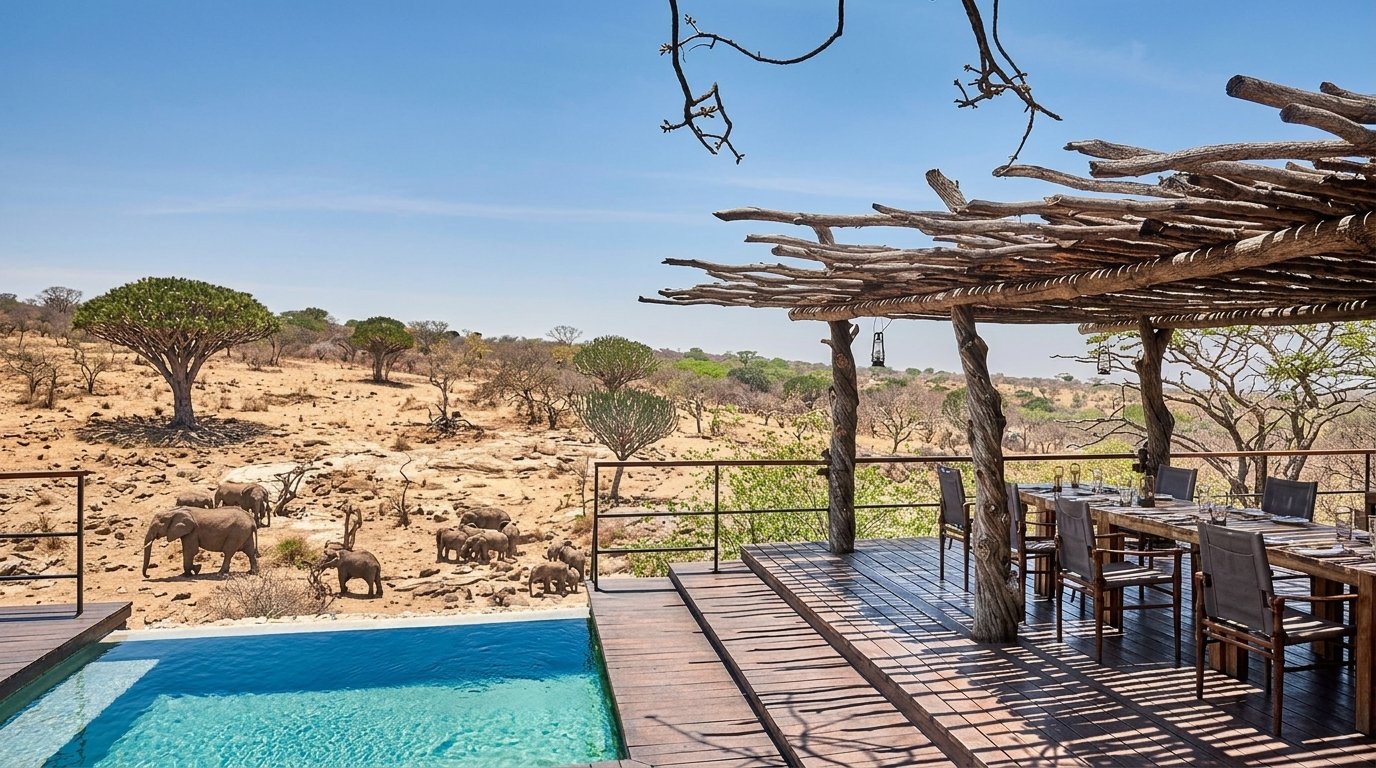
Private conservancies operate under a different framework entirely. The manager of the concession sets the rules. In Grumeti—350,000 acres bordering the western corridor of the Serengeti—guides can leave the track to follow a leopard into riverine thicket, run spotlight drives after dark, and lead walking safaris with armed rangers . Mwiba, a private wildlife area between Ngorongoro and the Serengeti, offers the same privileges: night drives, off-road access, and walking excursions on foot through the bush .
The wildlife is the same. The freedom is not.
The Vehicle Density Problem
Perhaps the most visceral difference is the one that cannot be regulated into existence: the number of other people.
In the public Serengeti during peak season, a lion sighting can attract twenty or more vehicles within minutes . The experience becomes communal—a shared viewing of a shared animal from a shared road. For a first-time safari-goer, this is thrilling. For a traveller who has done it before, it is the reason they stopped doing it.
Private conservancies impose strict caps. Grumeti enforces a maximum of four vehicles per sighting, a rule that is actually enforceable because the concession controls who enters . Mwiba’s ten suites mean that even at full occupancy, the guest-to-landscape ratio remains absurdly low . The result is not just fewer vehicles. It is the absence of vehicles altogether—the possibility of spending an hour with a leopard and her cubs without another soul appearing on the horizon.
What the Premium Buys
The pricing gap is real. A night in a national park camp starts around $400–$700 per person. An equivalent conservancy stay begins at $800–$1,200, with ultra-luxury properties like Singita Grumeti or Mwiba Lodge commanding $1,500 or more . That premium buys three things the park cannot sell: off-road access, night drives, and the right to walk.
Night drives deserve particular emphasis. Tanzania’s predators do most of their hunting after dark—lions, leopards, hyenas, and the smaller nocturnal cast of genets, civets, and aardvarks that daytime safaris never encounter . In the Serengeti, vehicles must exit by 6pm. In Grumeti or Mwiba, the spotlight comes out at 7pm, and the bush transforms . Returning safari travellers consistently describe the night drive as the single experience that justified the conservancy premium .
| Factor | National Parks (Serengeti, Ngorongoro) | Private Concessions (Grumeti, Mwiba, Lamai) |
|---|---|---|
| Off-road driving | Prohibited—roads only | Permitted—follow wildlife freely |
| Night drives | Prohibited—vehicles exit by 6pm | Permitted—spotlight drives from 7pm |
| Walking safaris | Restricted to designated areas | Permitted with armed ranger |
| Vehicle density | High—20+ vehicles at popular sightings | Strictly capped—typically 4–6 maximum |
| Daily cost (all-inclusive) | $400–$700 per person | $800–$2,500 per person |
| Best for | First-time visitors, Big Five, Migration crossings | Returning travellers, photographers, privacy seekers |
The Grumeti vs. Mwiba Distinction
For the traveller weighing conservancies, the two flagship options serve different instincts.
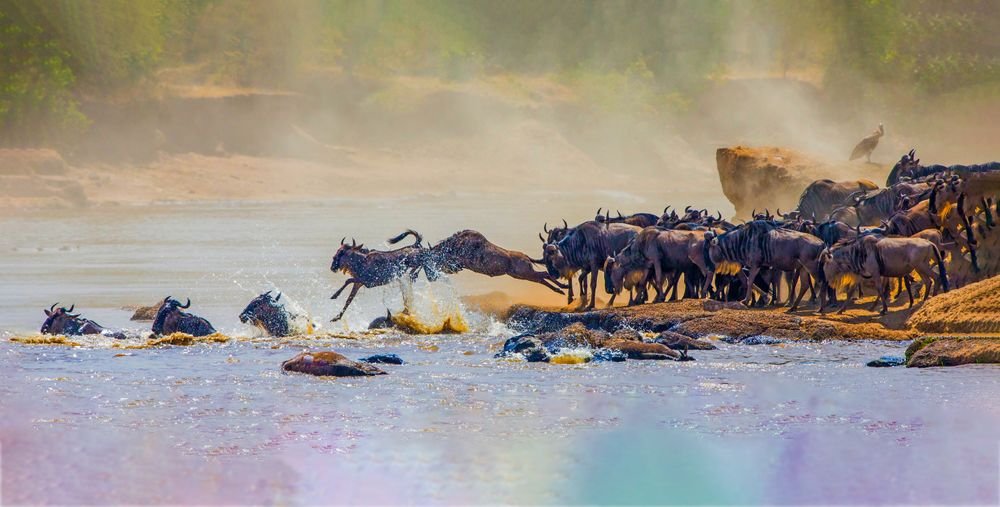
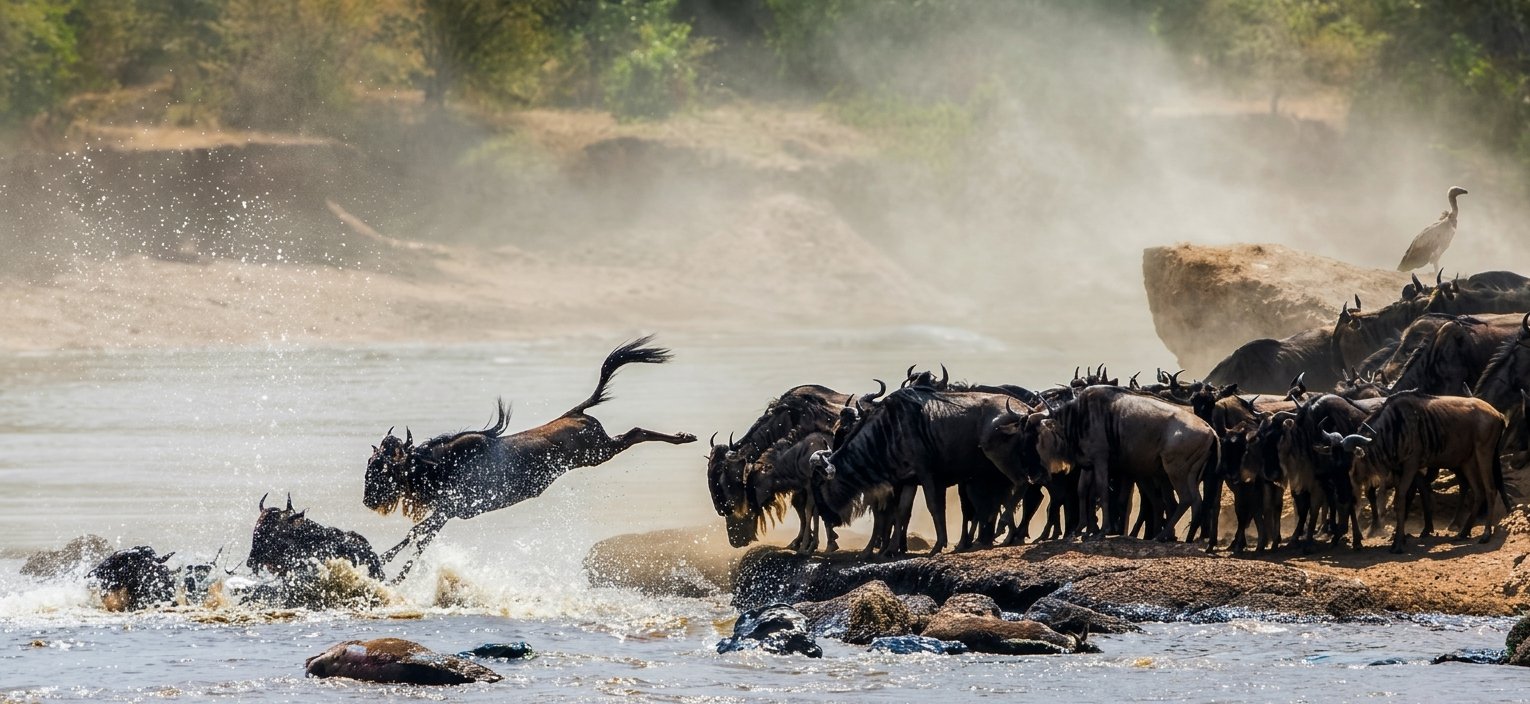
Grumeti is the established power. Singita’s 350,000-acre concession has reintroduced black rhino to the western Serengeti, eliminated poaching within its boundaries, and built a conservation operation that functions as a private park in everything but name . Its lodges—Sasakwa, Faru Faru, Sabora—sit at the absolute pinnacle of the Tanzania market, with pricing to match. The migration passes through in May and July, offering a quieter alternative to the crowded Mara River crossings .
Mwiba is the intimate counterpoint. Ten suites on ancient granite above the Arugusinyai River, a private guide and vehicle included for every stay, and access to the Hadzabe and Datoga communities for cultural excursions that the parks cannot facilitate . It is smaller, more personal, and positioned for travellers who want the conservancy privileges without the Singita scale.
Neither is better. They are answers to different questions. Grumeti asks: how exclusive can a safari be? Mwiba asks: how personal?
The Verdict
For the traveller who has already seen the Serengeti from a shared road, the conservancy is not an upgrade. It is a correction—a return to what safari was supposed to feel like before the minibuses arrived. The wildlife does not change. The rules do. And for the ultra-luxury market, the rules are the product.
Wildlife Tanganyika Expedition designs private conservancy itineraries for travellers who have already done the circuit and want Tanzania done properly. The vehicles are private. The camps are exclusive. The night drives run as long as the wildlife cooperates.