



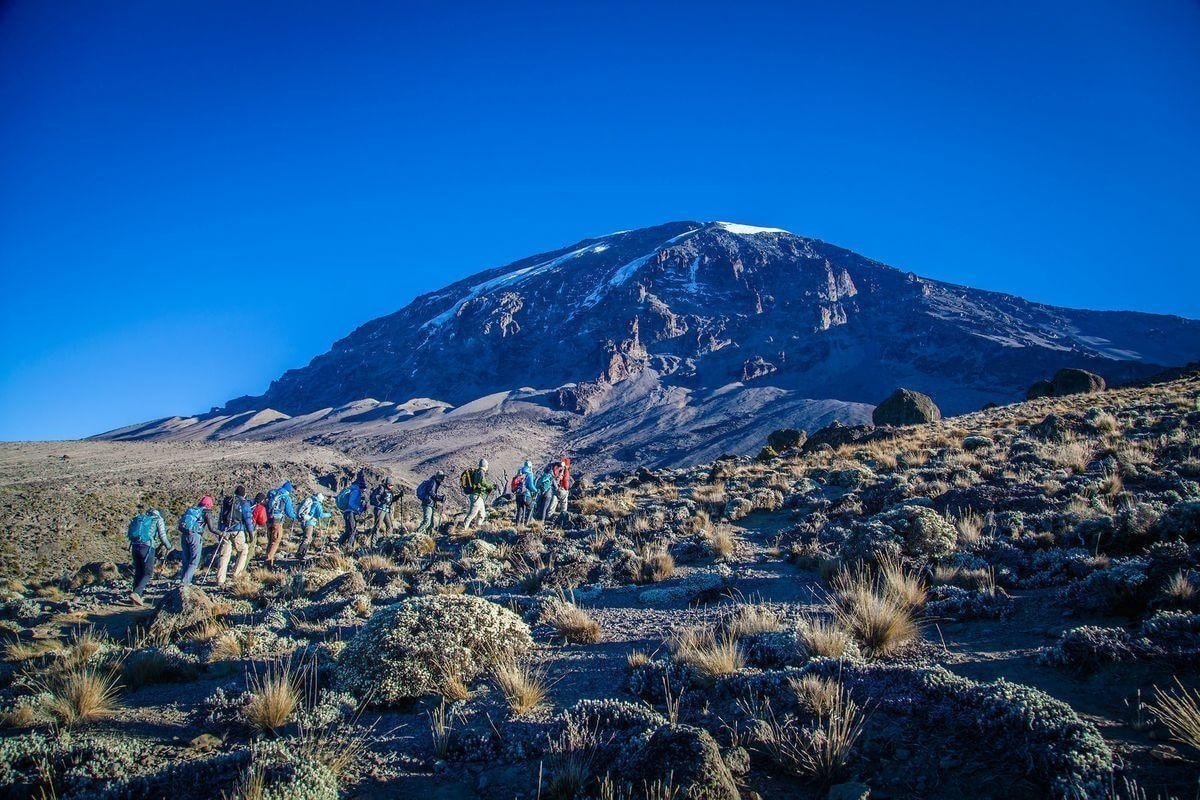
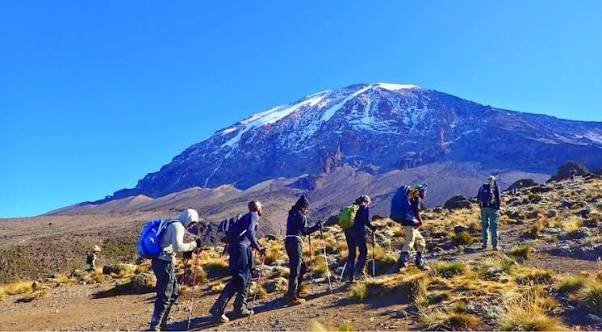
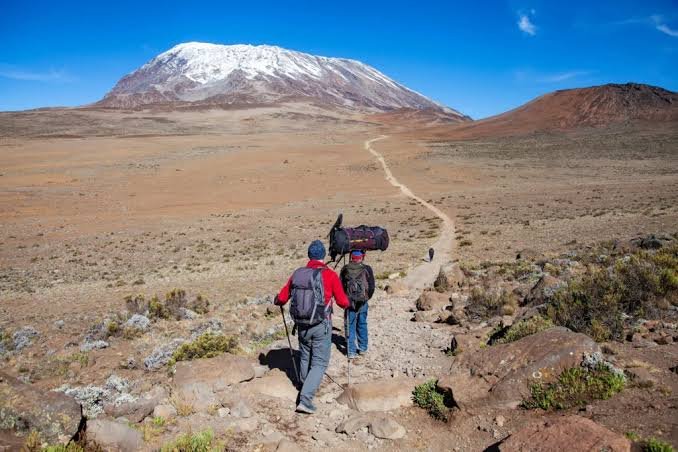

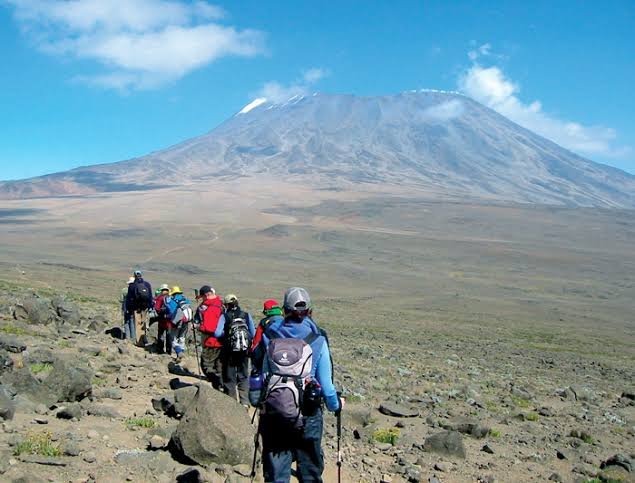
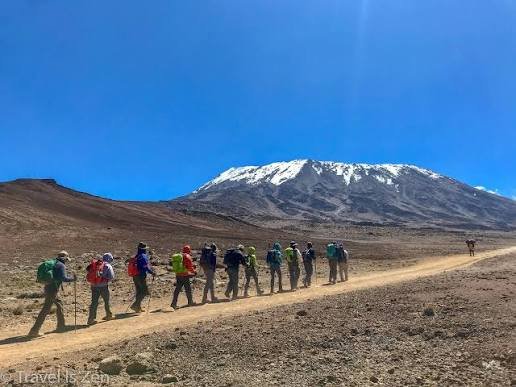
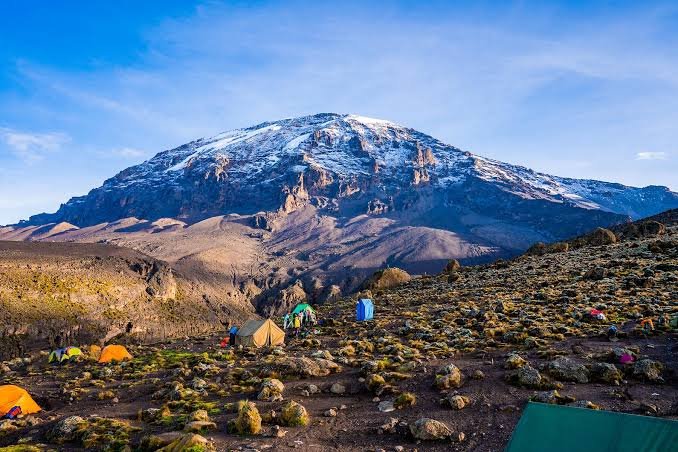
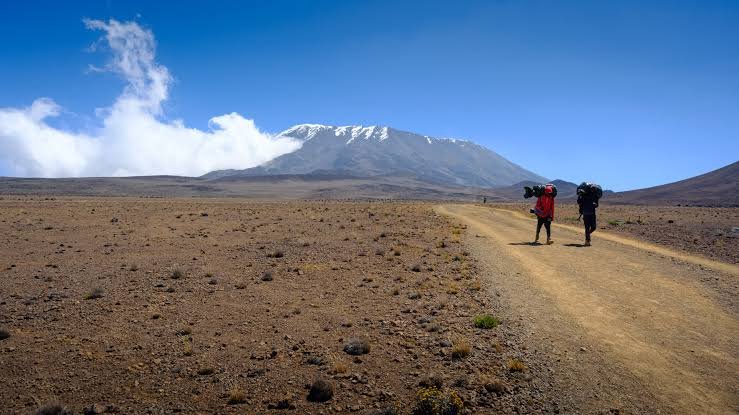
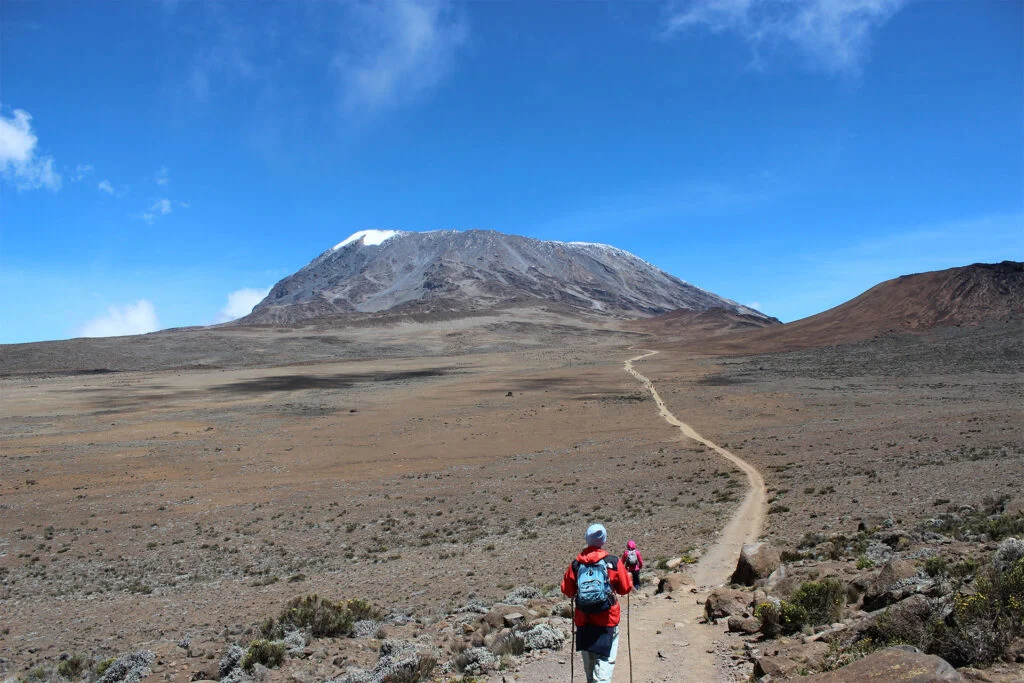


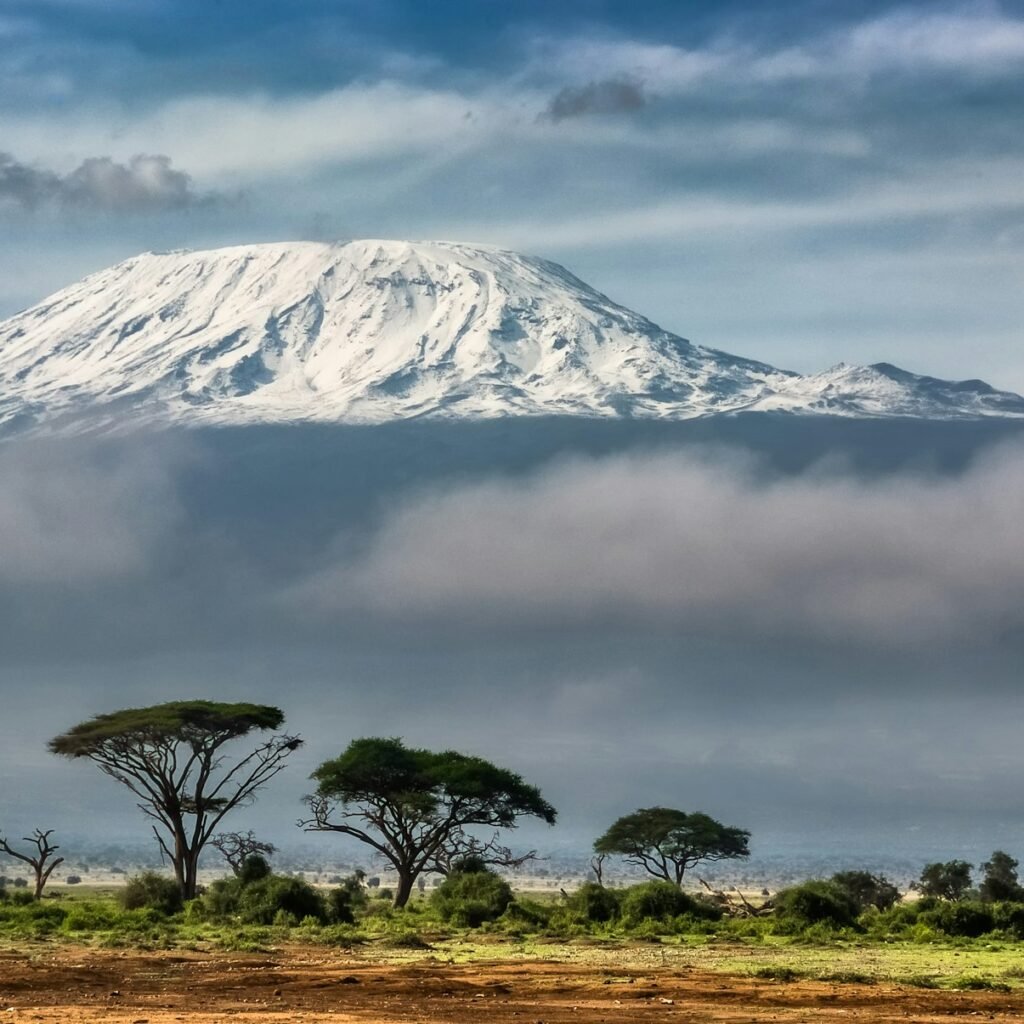
Mount Kilimanjaro is not just Africa’s highest peak—it is the world’s tallest free-standing mountain, rising an astonishing 5,895 meters (19,340 feet) above sea level from the surrounding Tanzanian plains . Unlike the technical giants of the Himalayas, Kilimanjaro requires no ropes, no ice axes, and no prior mountaineering experience. What it demands instead is patience, preparation, and a respect for altitude that can humble even the fittest climbers.
This is precisely why choosing the right route matters more than almost any other decision you will make. Kilimanjaro offers seven distinct climbing routes, each with its own character, difficulty, and—critically—its own summit success rate. The difference between a 50% chance and a 95% chance of standing on Uhuru Peak often comes down to nothing more than how many days you spend on the mountain and which path you take to get there .
This package is designed for travelers who want to understand those differences before committing to a climb. Whether you are a first-time trekker seeking the safest path to the summit, a seasoned hiker craving solitude on the remote northern slopes, or someone who simply wants to maximize their odds of success, the information below will guide you toward the right choice.
Kilimanjaro Facts at a Glance
Kilimanjaro Facts at a Glance
|
|---|
Description
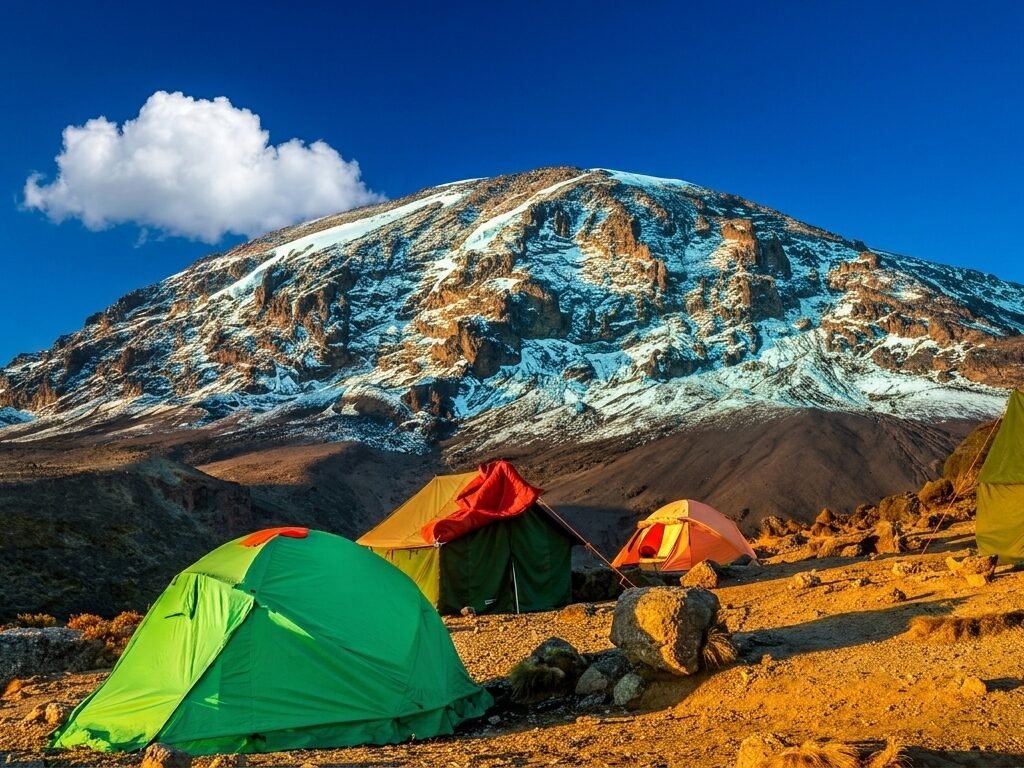
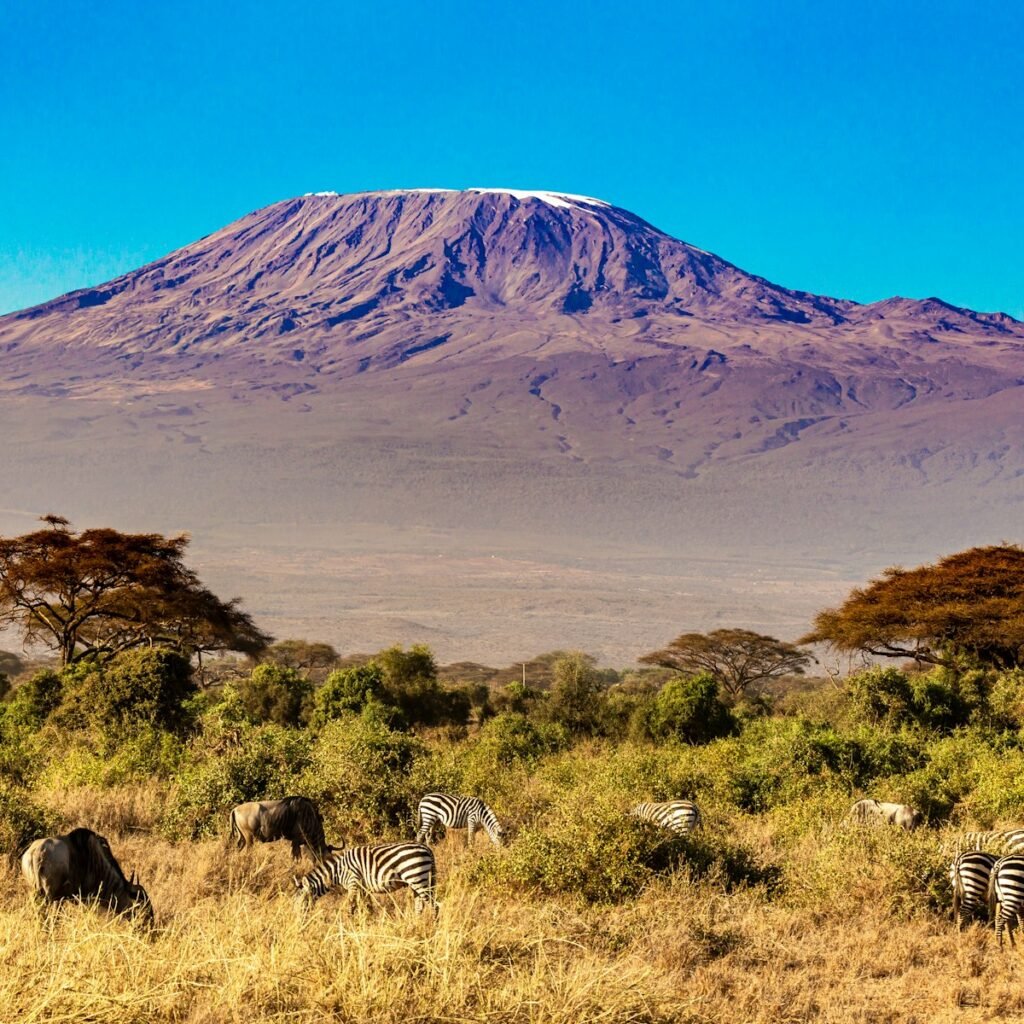
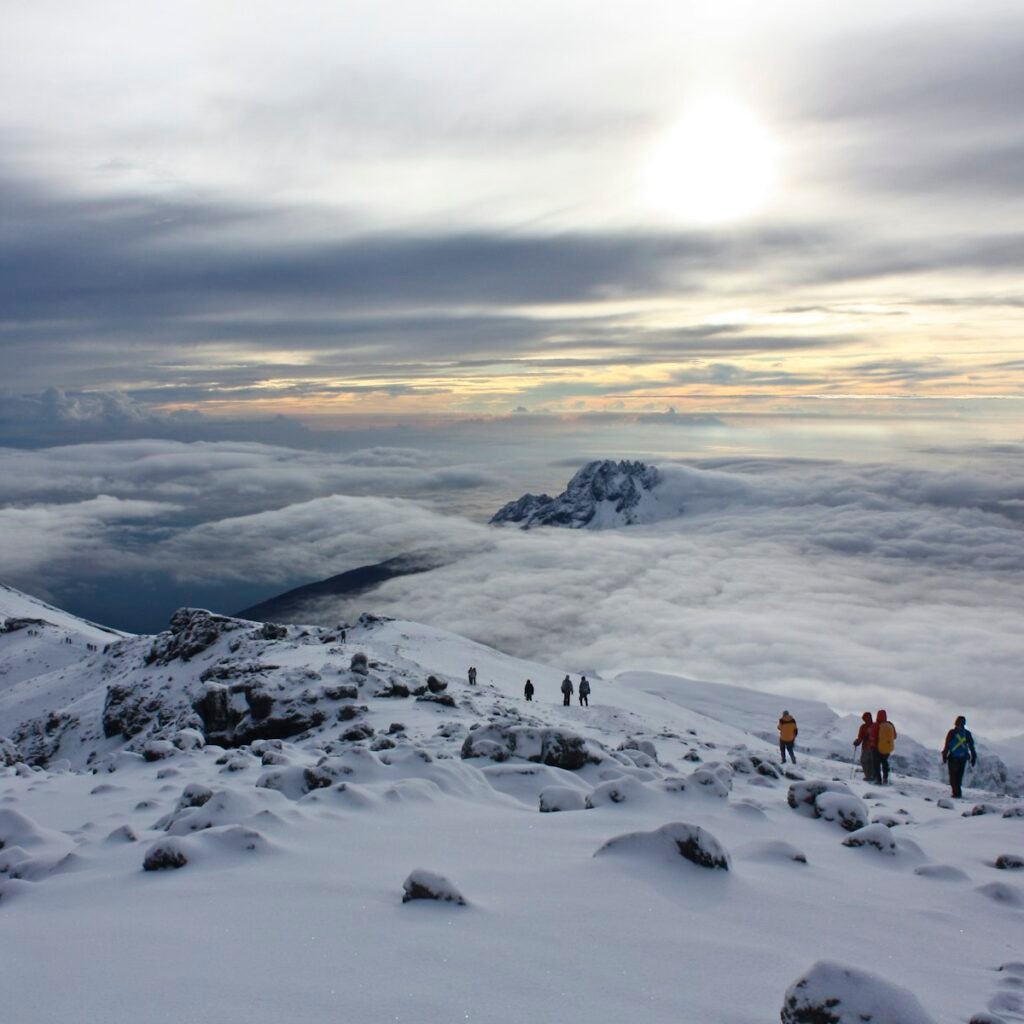
Kilimanjaro is a dormant stratovolcano composed of three distinct cones: Kibo (the summit), Mawenzi, and Shira . The mountain spans multiple climate zones, from lush rainforest at the base through moorland, alpine desert, and finally the arctic summit zone where glaciers cling to the crater rim despite the mountain’s proximity to the equator .
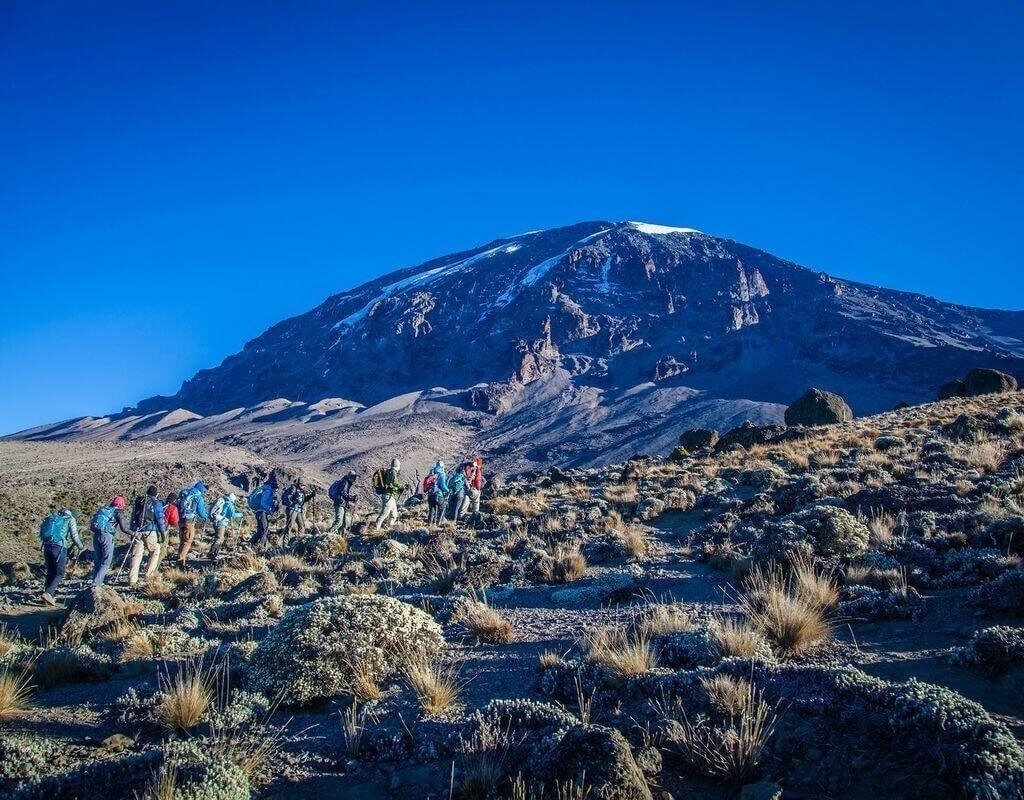
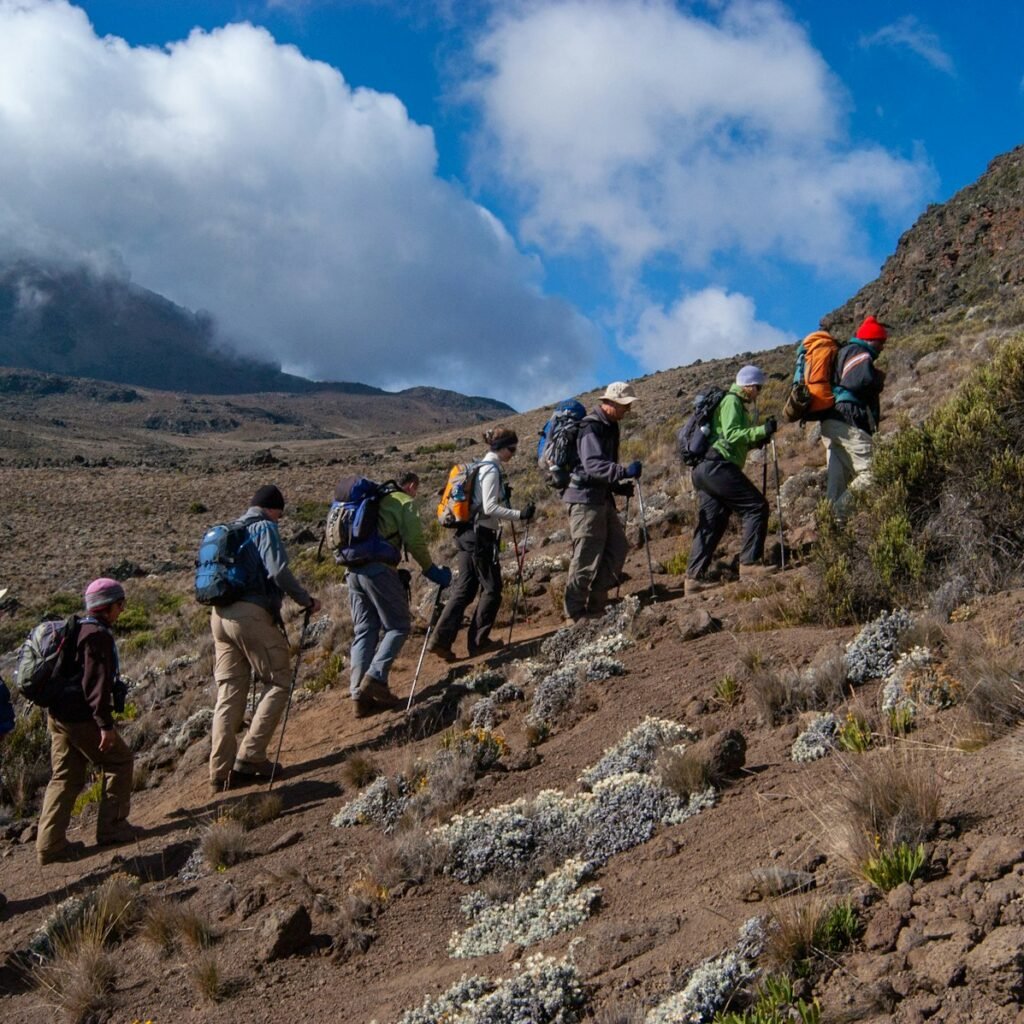
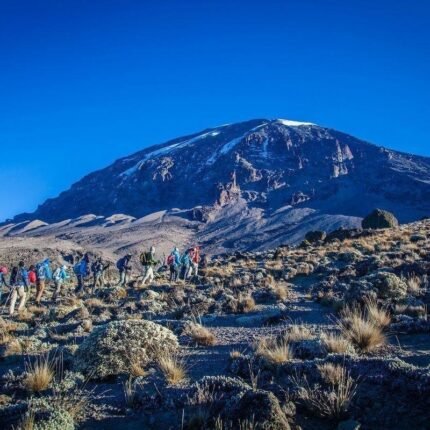
Climbers typically spend between five and ten days on the mountain, depending on route selection. All routes culminate at Uhuru Peak, the highest point on Kibo’s crater rim, though the paths to get there vary dramatically in scenery, traffic, and acclimatization profile .
The overall summit success rate across all routes hovers around 65%, but this figure masks enormous variation. Properly acclimatized treks on longer routes regularly exceed 90% success, while rushed itineraries on shorter paths can fall below 50% . Altitude sickness—not physical fitness—is the primary reason climbers turn back, and the single most effective defense against it is a slow, gradual ascent .
Why the Routes Are Different
Understanding why Kilimanjaro has multiple routes requires understanding the mountain’s geography. Kilimanjaro is a massive, sprawling volcano, and approaches from different directions offer fundamentally different experiences. The western and northern approaches tend to be longer and more gradual, allowing the body more time to produce red blood cells and adapt to thinning oxygen. The southern and eastern routes are often shorter and steeper, which saves time but sacrifices acclimatization .
Additionally, traffic patterns vary enormously. The Marangu and Machame routes host the majority of Kilimanjaro’s roughly 50,000 annual climbers, while the Northern Circuit and Rongai routes see a fraction of that number . Scenery differs too: the western Lemosho route traverses the scenic Shira Plateau, while the northern Rongai approach offers views into Kenya and a drier, less forested landscape .
In short, no single route is “best” for everyone. The right choice depends on your priorities: success rate, scenery, crowd tolerance, budget, and available time.
| Route | Duration | Success Rate | Crowds | Best For | Key Drawback |
|---|---|---|---|---|---|
| Lemosho | 7–8 days | 90%+ | Low | Best overall success + scenery | Higher cost, longer trek |
| Northern Circuit | 9–10 days | 90%+ | Very low | Solitude and maximum acclimatization | Longest and most expensive |
| Machame | 6–7 days | 85% (7-day) | High | Scenic variety, strong success | Busy camps, steep sections |
| Rongai | 6–7 days | Moderate | Low | Beginners, drier weather | Less varied scenery |
| Marangu | 5–6 days | Lowest | Very high | Hut accommodations | Poor acclimatization, crowded |
| Shira | 7–8 days | Moderate | Medium | Shira Plateau scenery | Starts at high altitude |
| Umbwe | 5–6 days | Low | Very low | Experienced climbers only | Too fast for proper acclimatization |


There are no reviews yet.